


Permanent Marking for Vibration, Heat and Chemical Exposure
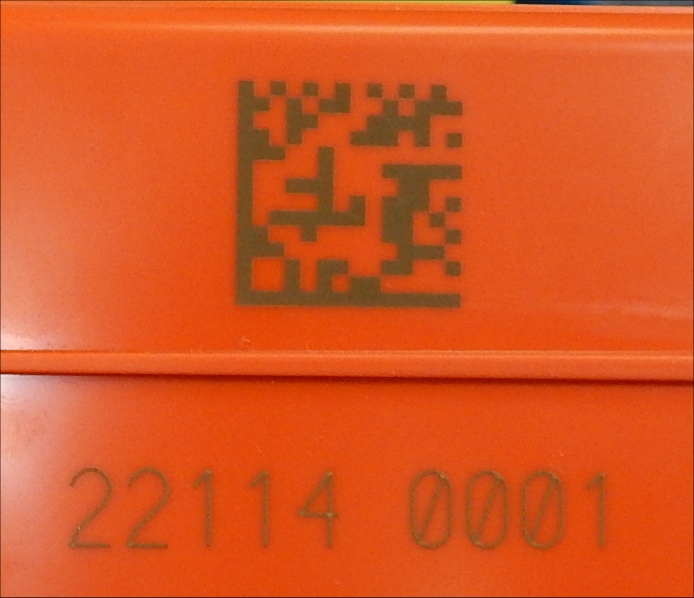
EV batteries face mechanical and chemical demands across their service life. Permanent laser marking is built to address those demands from the point of production.
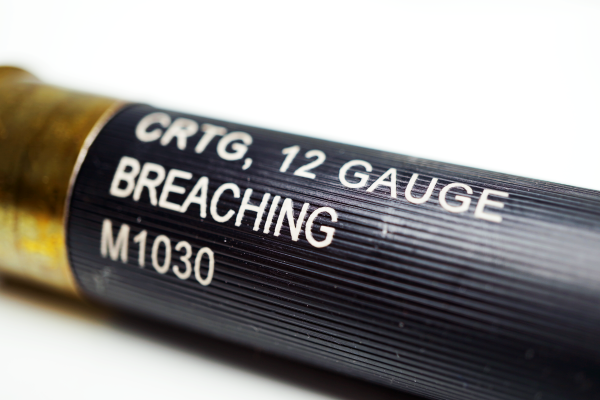
- Vibration and mechanical shock resistance: Manufacturers test EV battery packs for road-condition vibration durability. Marks that lose legibility under that same stress can create a traceability gap before the vehicle reaches the field. Laser marking produces identifiers that can withstand mechanical stress.
- Thermal cycling durability: Charge and discharge cycles, combined with ambient temperature extremes, can stress components beyond ink adhesion limits. Laser marks bond with the substrate at the material surface. The resulting identifiers can resist heat and chemical exposure across years of service.
- Chemical and electrolyte resistance: EV battery components are exposed to electrolytes, coolants and sealants during assembly and in operation. Laser marks can maintain readability in those environments where surface-applied identifiers may degrade over time.
- Unit-level serialization: GS1 guidance on EV battery identification designates unique, unit-level serial numbers as the highest available level of traceability. A serialized identifier at that level can link a cell, module or pack to its detailed manufacturing history, from production batch through the vehicle VIN.