
Laser Marking for Energy Storage Systems

Energy Storage Systems

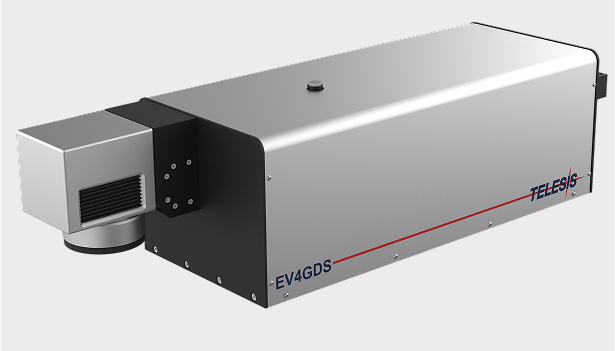
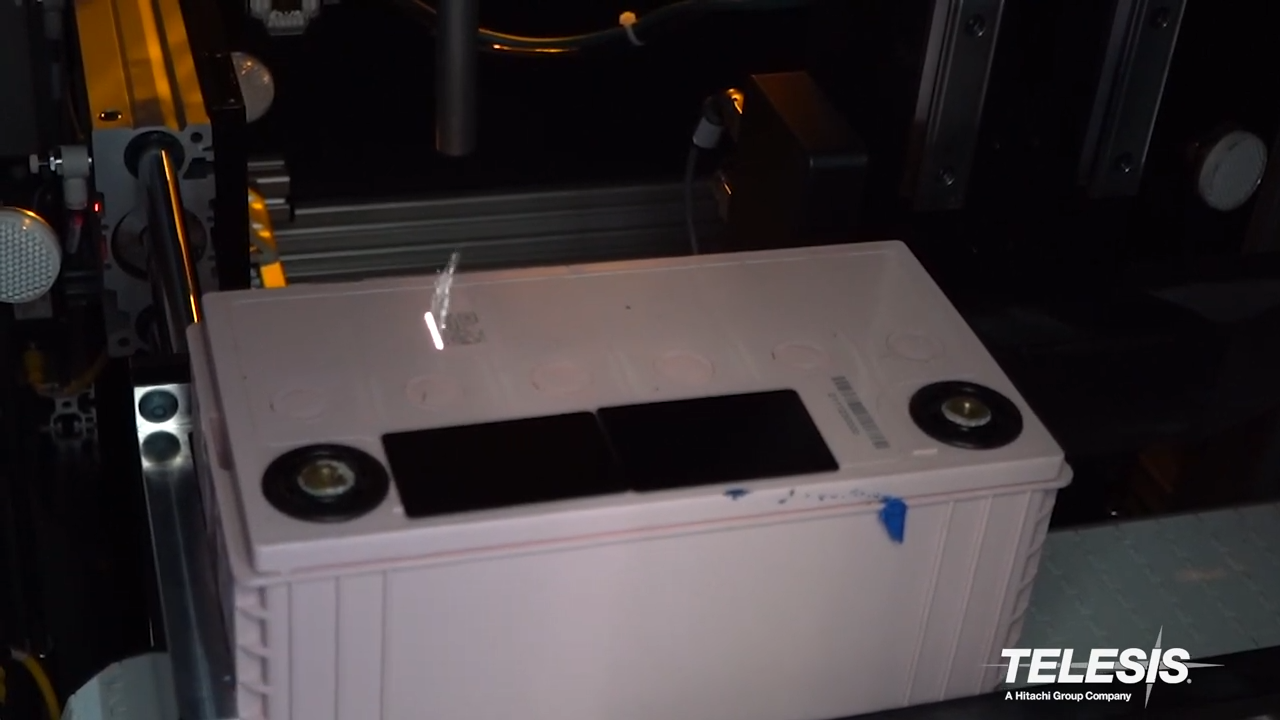
The increased demand for stationary battery energy storage systems (BESS) compared to EV batteries is pushing manufacturers to scale production of cells, modules, packs and casings faster than ink marking can support. Ink marks on those components may smear, fade or lose legibility under the thermal and chemical conditions inside battery assemblies. Telesis Technologies, Inc. delivers laser marking systems that produce permanent identification across components, from battery cell serialization through pack-level assembly.

Request a Quote Laser Marking Systems

Benefits of Laser Marking for Battery Manufacturing

For cells, modules and packs that operate through heat, electrolytes and years of field service, laser marking offers several benefits:

  • Permanent identification: Laser marking alters the material at the surface level to create an identifier that resists peeling, smearing and wiping. This level of mark integrity is well-suited to cells, modules and packs that must remain traceable across their service lives.
  • Low audit and recall exposure: A mark that degrades or becomes unreadable in the middle of its life cycle can create gaps in the chain of custody. Permanent laser marking for energy storage components helps maintain a continuous record from production through field service.
  • No ink or ribbon consumables: Laser marking runs on laser energy alone, so ink replenishment and supply-related downtime stay off the production schedule. This is a practical fit for manufacturers scaling output to meet stationary storage demand.
  • Life cycle traceability: Battery components that are repurposed, remanufactured or recycled depend on readable identification throughout their service life. Laser marks can remain legible through those processes and support traceability beyond a battery’s initial deployment.
Why Choose Telesis Technologies, Inc. for Marking Solutions?

Telesis Technologies, Inc. handles equipment selection, in-house integration and service under one roof. That structure shortens the path from specification to production and can reduce coordination handoffs along the way. Our team designs laser marking installations that integrate seamlessly into existing production line workflows, which enables current processes to remain operational during the transition.

For applications with unique specifications or new product formats entering the market, our engineers can build custom solutions so emerging designs receive repeatable, well-matched identification from the first unit. Our support teams are U.S.-based, which means faster turnaround on service requests.

Clients describe us as reliable, innovative and straightforward to work with. That reputation reflects decades of building equipment that meets the marking needs of businesses across demanding manufacturing environments.

Applications

Laser Markers for Stationary Battery Storage Components

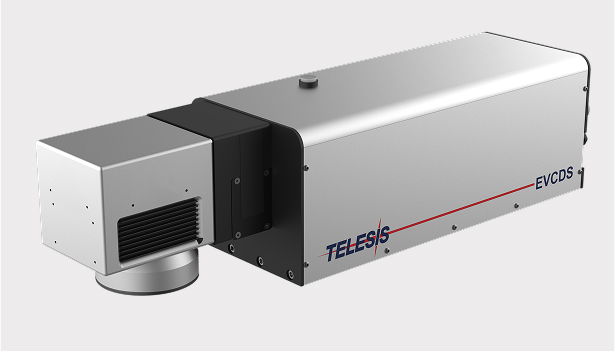
Laser marking for battery cells, modules, casings and other energy storage components requires matching the right laser source to the material. Aluminum casings, copper foils, BMS circuit boards and plastic connectors respond differently to laser energy, and the right source for one material may be less suited to another. Our wide range of systems can address the diverse laser marking needs of energy storage systems.

Fiber Laser Marking

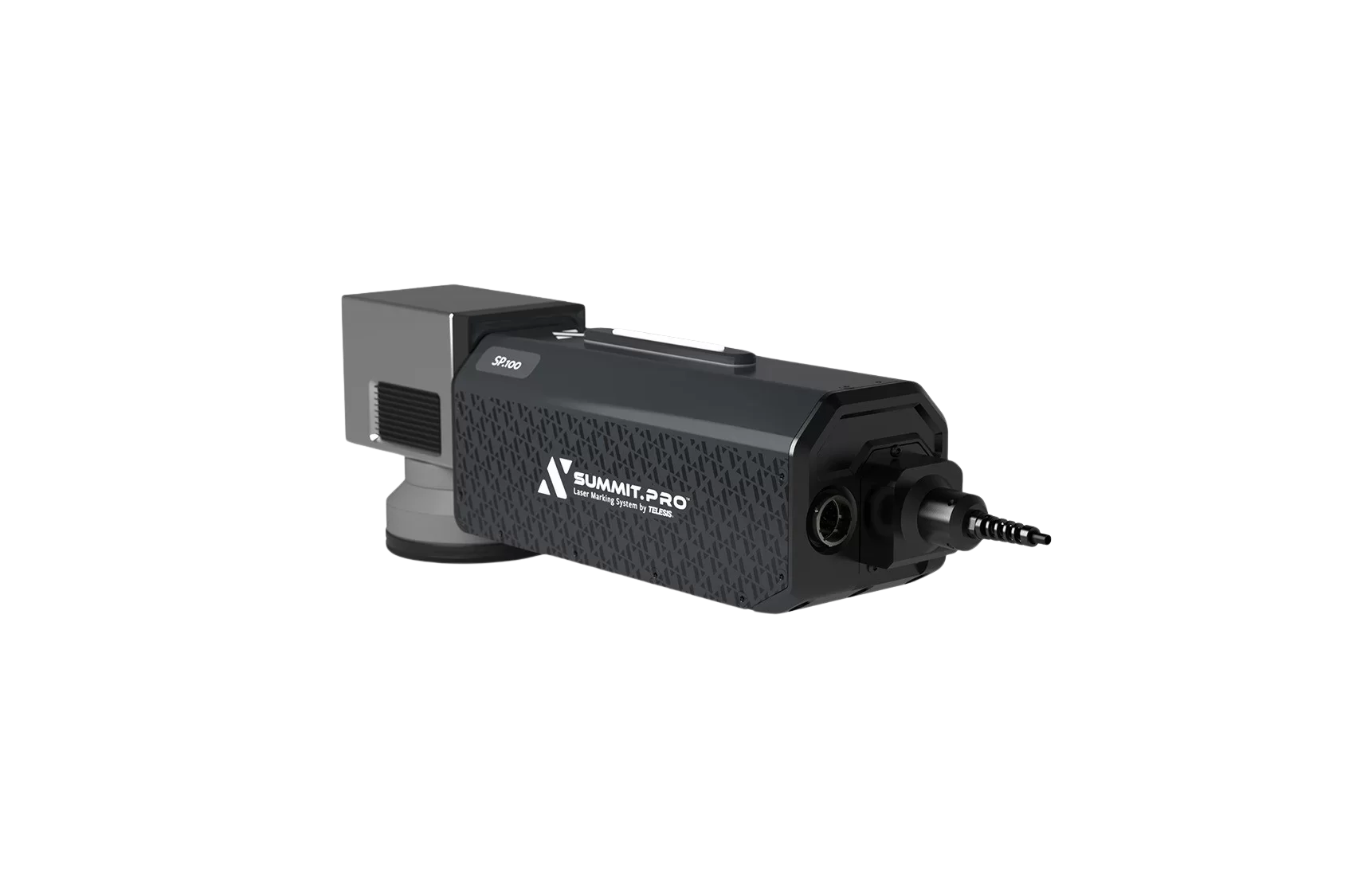
This lineup, including the XpressMark MOPA™, XpressMark™ and Summit.Pro™, is well-suited for module housings and enclosures, pack casings, busbars, structural brackets and steel or aluminum battery pack frames. Our fiber laser markers produce fast, high-contrast marks at production speed, with options ranging from versatile off-the-shelf configurations to high-power deep-marking solutions.

Vanadate Laser Marking

Our vanadate laser solutions mark copper and aluminum electrode current-collector foils, BMS circuit boards and thin metal contacts, where heat sensitivity and precision take priority.

UV Laser Marking

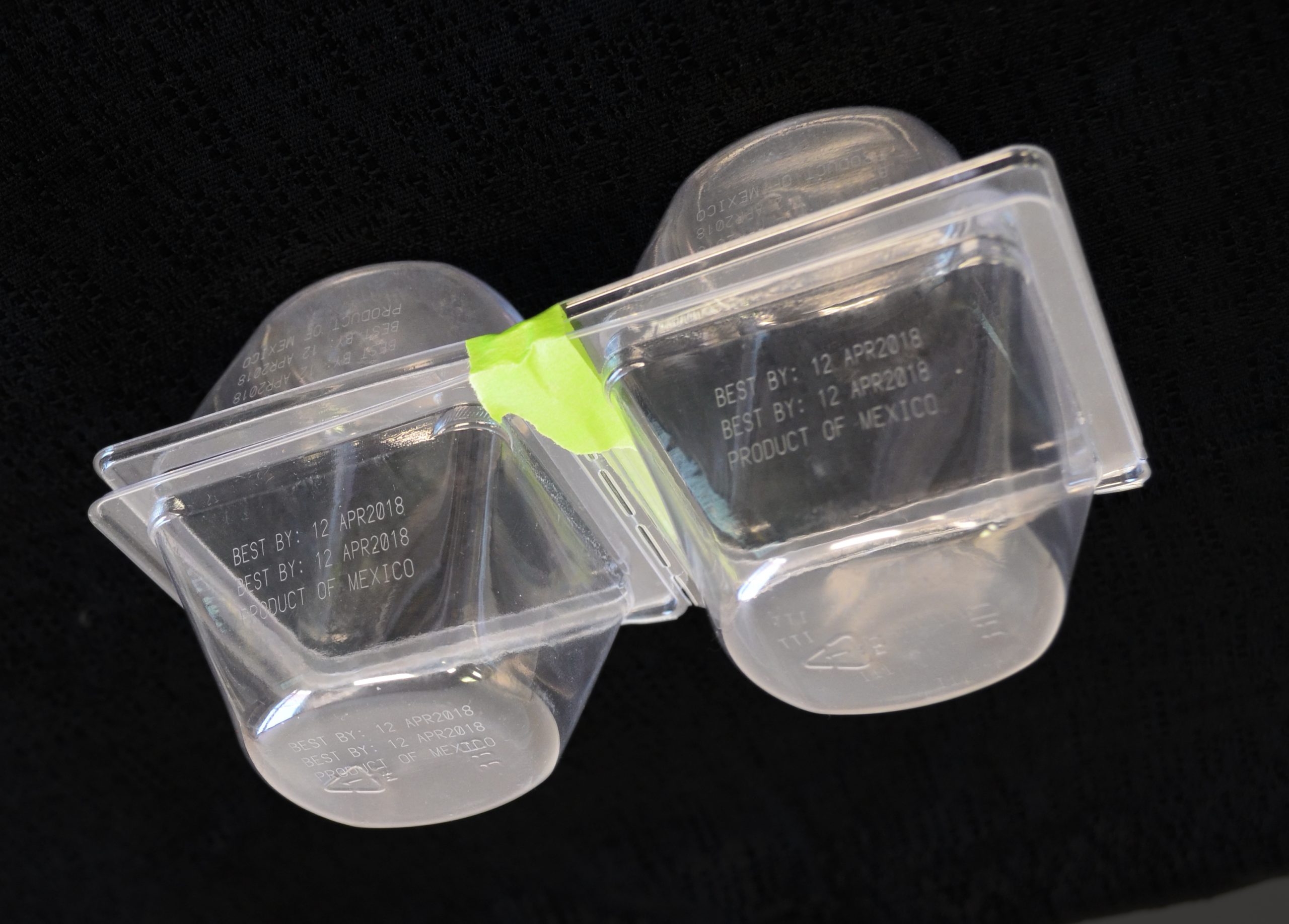
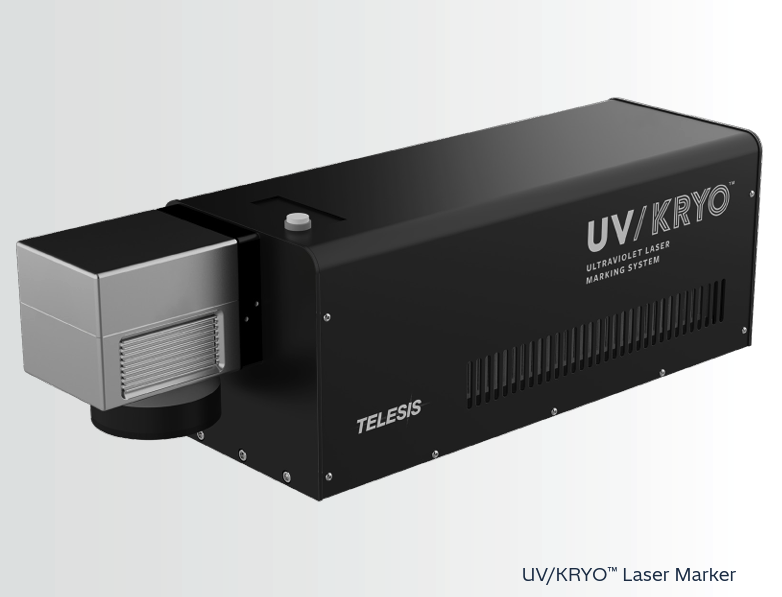
The UV/KRYO™ uses cold marking processes suitable for plastic connectors, separator components and heat-sensitive plastic module covers. Both systems help keep thermal impact on the substrate low.

Green Laser Marking

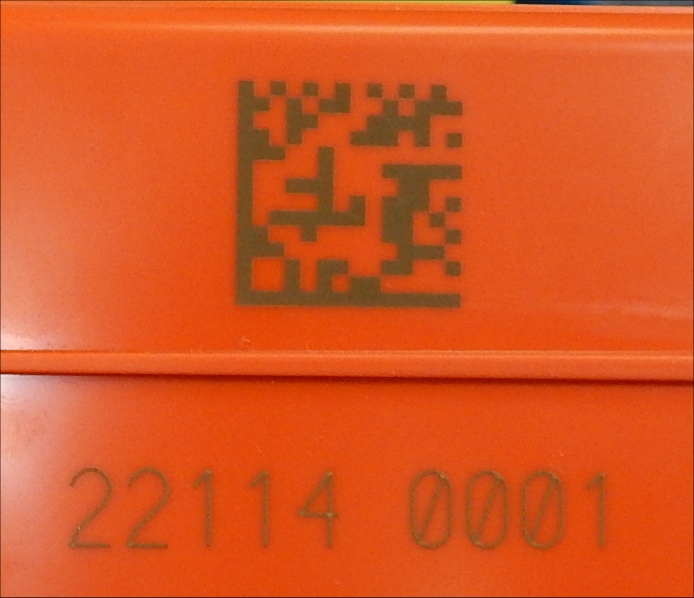
These green laser marking systems mark small internal electronic components, delicate control boards and space-constrained 2D data matrix codes that require micro-level precision.